Brent built his career as a behavioral scientist, educator, and advisor: studying the patterns behind leadership, culture, and performance while working directly with executives around the world.
Menu
About calabr
Built from both ends of the gap.
calabr exists to close the distance between what management science shows and what leaders can actually use when strategy, culture, and performance are under pressure.
Meet the founders02 / The founding story
Two paths to the same question.
Why do organizations know so much about leadership and change—and still struggle to turn that knowledge into a different way of operating?
Laura arrived through human resources, talent development, executive education, and coaching: seeing from inside organizations why good development so often fails to change the system around it.
They saw the same gap from different directions. calabr was built to put both perspectives in the room—current research and senior practitioner judgment, applied to the real conditions shaping the work.
03 / The founders
The people you meet are the people who do the work.
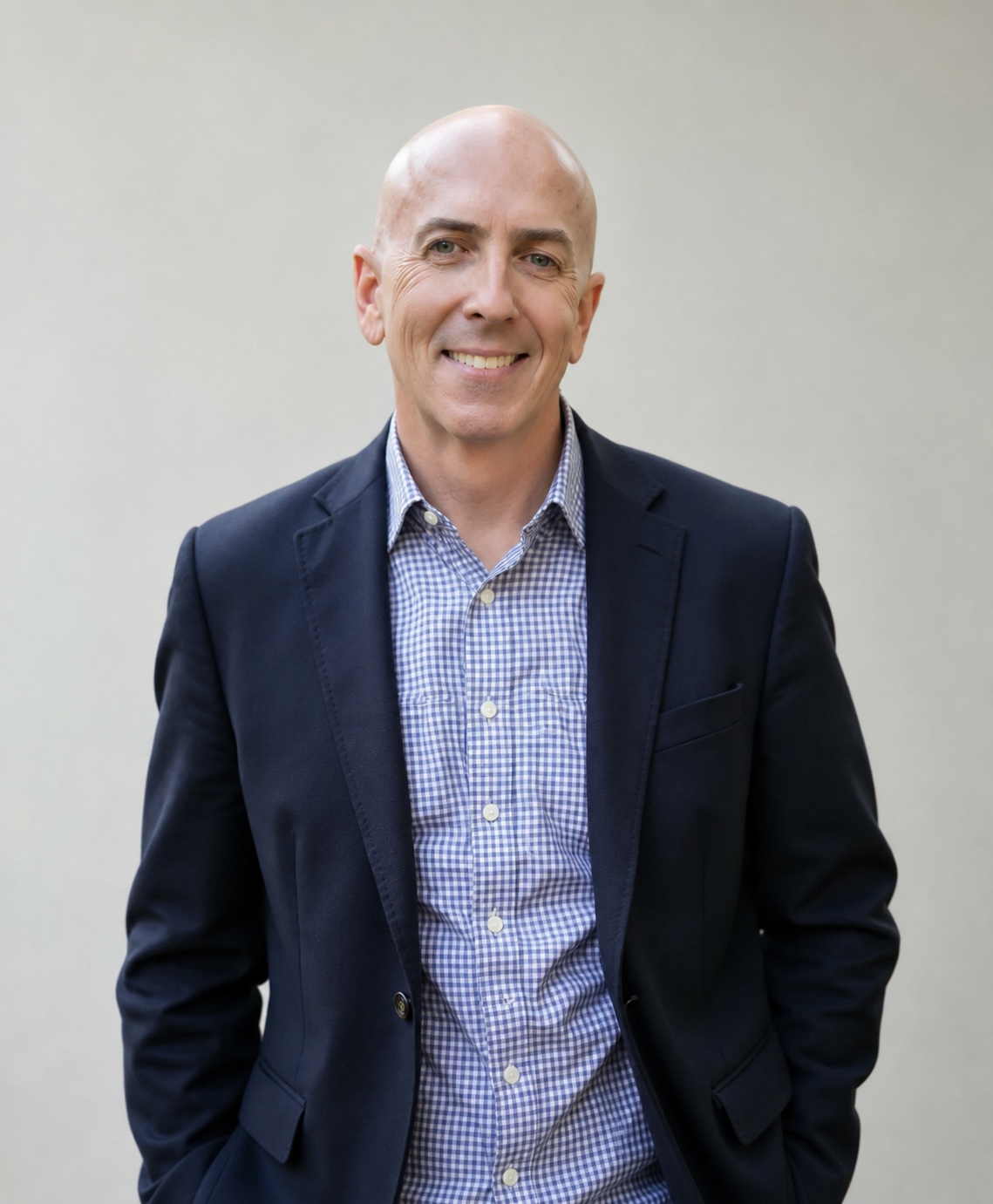
01 / Co-founder
Brent Smith, Ph.D.
Brent has spent more than two decades bridging management science and executive practice. He studies leadership, personality, organizational culture, and employee attitudes—and translates that evidence into practical work with senior leaders and organizations. Across that work, he has advised leaders in more than 100 organizations.
He is a Management Professor at Rice University. His academic career has also included faculty appointments at London Business School and Cornell University.
- Management Professor, Rice University
- Former faculty member at London Business School and Cornell University
- Recipient of multiple Academy of Management research awards
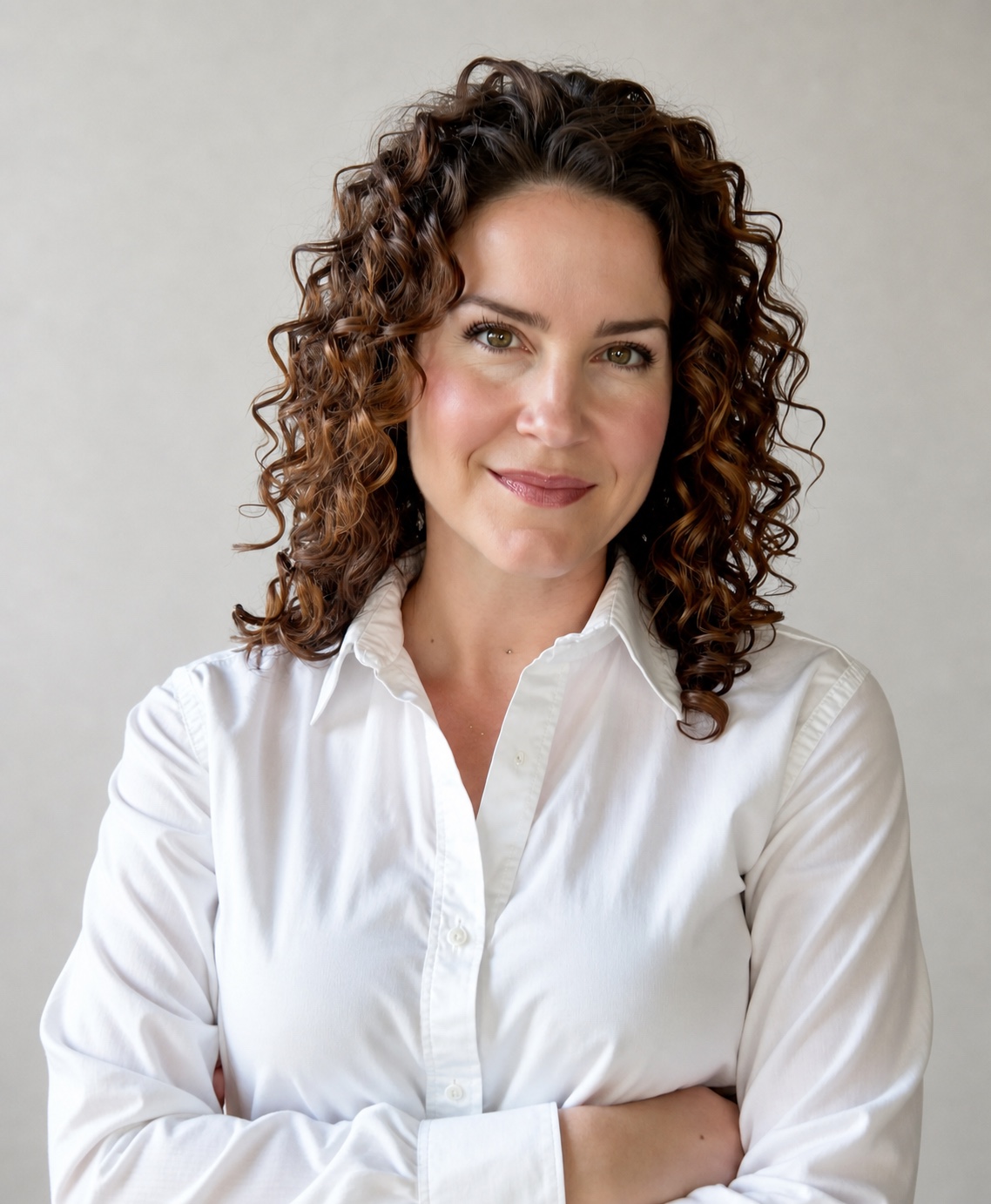
02 / Co-founder & Managing Director
Laura Smith
Laura brings nearly two decades of experience across human resources, talent development, executive education, and leadership consulting. Her work is shaped by firsthand experience of how leadership behavior influences culture and how organizational context determines whether development lasts.
She partners with leaders and executive teams to translate insight into sustained behavior change, drawing on experience across organizations ranging from growth-stage companies to multinational enterprises.
- Former Director of Executive Education
- Leadership coach certified through ICF and CoachRice
- Pennsylvania State University graduate
04 / How we work
A senior relationship from the first conversation.
Boutique is not a statement about size. It is a commitment to proximity, judgment, and continuity throughout the work.
Conversation before pitch
We begin with what is happening in the organization and whether our point of view is useful—not with a predetermined solution.
Founders in the work
Brent and Laura remain directly involved in diagnosis, design, facilitation, coaching, and review.
Embedded in real work
The engagement is built around actual decisions, relationships, operating pressures, and strategic priorities.
Form follows need
There is no fixed program to place. The shape and duration of the work follow the evidence and the situation.
Business outcomes remain visible
Development matters when it changes behavior, team performance, organizational capability, and strategy execution.
05 / What we believe
Five commitments shape the work.
Culture is a mechanism of strategy.
The relevant culture is the one that enables the capabilities the strategy requires.
Learning and behavior change are different outcomes.
Leadership development should be designed and judged by what leaders do differently.
The team is its own unit of analysis.
Collective performance depends on conditions between people, not just the capability of the individuals.
Science should be usable.
Research earns its place when it clarifies decisions and improves how leaders work.
Coaching is a mechanism, not an accessory.
Sustained individual support helps insight become behavior in the moments that matter.
06 / Who we work with
Where leadership and culture are strategic questions.
Our clients are usually facing a consequential change: a new strategy, a growth threshold, a leadership transition, a culture that no longer fits, or a senior team that is not yet performing as one.
The industry matters less than the question. Is the organization’s culture, leadership behavior, or team dynamics limiting what the strategy can achieve?
EnergyHealthcareFinancial servicesProfessional servicesTechnologyManufacturingNonprofitGrowth-stage and enterprise
07 / Start with the situation
Does this point of view resonate?
Start aconversation
Tell us what is changing, where the organization feels stuck, and what better performance would look like. The first conversation is direct and useful.